Canva CookBook Template: Your 50-Page Recipe Book Solution
For food bloggers, chefs, and culinary creators, the dream of a beautifully designed recipe book often feels just out of reach. The barrier isn't a lack of content or passion, but the technical and time-consuming process of professional layout and design. The Canva CookBook Template directly solves this problem, offering a complete, 50-page framework that transforms your recipes into a polished, client-ready digital or print publication. This isn't just a collection of pages; it's a strategic design asset that bridges the gap between your kitchen creations and a professional brand identity.
Understanding the Template's Visual Language
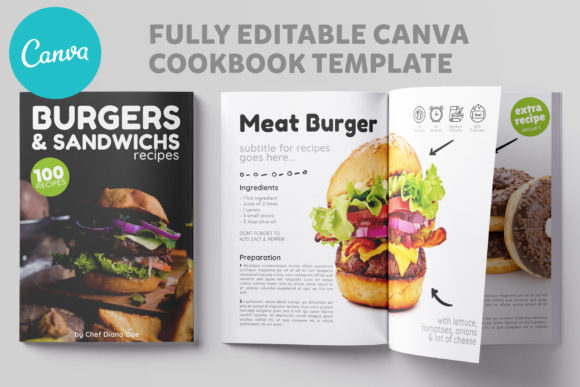
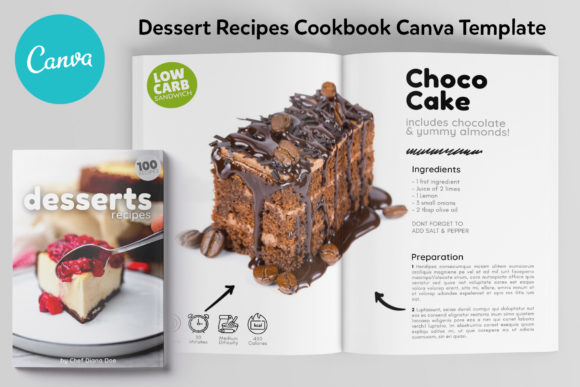
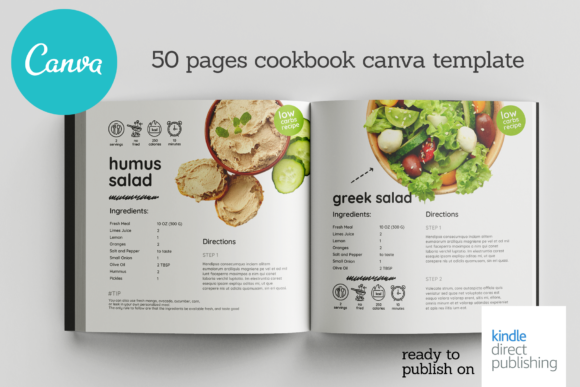
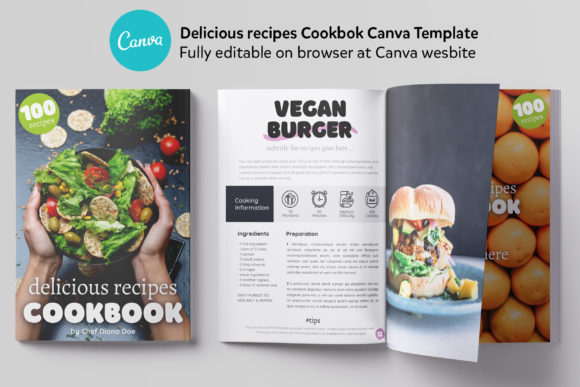
At its core, the Canva CookBook Template is built for clarity and appetite appeal. Its visual personality strikes a balance between modern elegance and warm approachability. The layout uses a clean grid system, ensuring that each recipe has a logical flow from introduction to ingredients and method. You'll find generous white space that prevents the pages from feeling cluttered, allowing your food photography and typography to breathe. The overall style is versatile enough to complement various culinary aesthetics, from rustic farmhouse to minimalist modern, making it a flexible foundation for your personal brand.
The design choices within the template are intentional. The use of a serif font for body text enhances readability, a crucial factor when someone is following a recipe. This is often paired with a complementary display font or script font for chapter titles and headings, adding a touch of personality without sacrificing function. This considered font pairing is a hallmark of good editorial design, creating a clear visual hierarchy that guides the reader's eye effortlessly from the title to the final instruction. The color palette is typically neutral, providing a sophisticated backdrop that lets the vibrant colors of your dishes stand out.
Practical Applications Beyond the Recipe Page
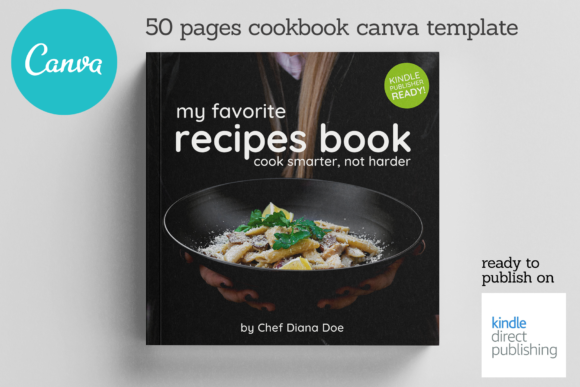
While its primary function is as a recipe book, the utility of this Canva template extends into numerous creative and commercial projects. For a food blogger, it's the perfect vehicle to compile a "best of" collection or a seasonal guide to share with your email list. Chefs and restaurateurs can use it to create a branded menu book or a takeaway guide for signature dishes, enhancing the dining experience. The 8.5x8.5 inch page size is a standard that works seamlessly for both digital PDFs and print-on-demand services like Kindle Direct Publishing, giving you immediate distribution options.
The template's value multiplies when integrated into a broader brand identity. Imagine using the same typographic and color scheme from your cookbook in your social media graphics. The provided 40 matching Instagram templates make this transition effortless, ensuring visual consistency across all platforms. This cohesive approach strengthens brand recognition, whether you're creating web design elements, packaging design for a product line, or logo design for a new venture. It’s a creative font and layout system that works in concert.
How to Evaluate and Customize for Your Project
Getting started is straightforward, but a thoughtful approach will yield the best results. First, access the Canva CookBook Template through the provided link. Before diving into edits, spend time reviewing the entire 50-page structure. Note the recurring design elements, the placement of text boxes for ingredients and steps, and the image placeholder dimensions. This review helps you understand the design's rhythm and plan your content accordingly.
Customization is where you make it your own. The template is fully editable, meaning you can change every typeface, color, and graphic element. If your brand uses a specific sans serif font, you can swap it in. If you prefer a more handwritten font for annotations, you can add it. A practical tip is to establish your core brand fonts and colors first, then apply them systematically throughout the template. This maintains the professional visual hierarchy already built into the design while ensuring it feels uniquely yours. Always test your changes for readability, especially the body text for recipes. A beautiful script font might look stunning in a title but become illegible in a paragraph.
Finally, consider the end product. The included instruction file with direct links simplifies the process, but if you plan to sell or distribute your book commercially, verify the licensing for any fonts or stock images you add. The Canva templates themselves are licensed for commercial use, but it's a professional best practice to double-check. By treating this Canva CookBook Template not just as a file to fill, but as a design asset to adapt, you leverage its built-in design expertise to launch your project with confidence and style.